
The nationwide FAA ground stop ended Friday, November 13. By Saturday, federal officials had identified a maintenance job they believe triggered the disruption, but they still hadn’t determined exactly what went wrong.
The halt was lifted at 8:15 p.m. Eastern Friday, according to ABC News’ reporting on Transportation Secretary Sean Duffy’s briefing. That ended the nationwide restriction, though it didn’t instantly restore every passenger’s itinerary.
In a November 14 update published by the Department of Transportation, Duffy said contractor L3Harris had been replacing an old copper telecommunications connection with fiber at a remote FAA location. A router involved in that work began flooding other routers with connection attempts, he said, disrupting aircraft communications and radar feeds.
Duffy described that account as what officials believed had happened. He said investigators had not established whether the problem came from installation or contractor error, or a faulty router.
L3Harris said in its own November 14 statement that it was supporting the FAA’s investigation. The company said it had been modernizing the communications infrastructure with the agency and telecommunications partners, and that more than 70 percent of the planned conversion from legacy copper to fiber had been completed.
That statement expressed concern about the disruption’s impact on travelers, airlines and air traffic operations. It did not identify a specific cause or accept responsibility for the failure.
The FAA’s initial November 13 notice described communications problems affecting multiple Air Route Traffic Control Centers and labeled its information preliminary. Saturday’s account adds a possible starting point to that broader failure, rather than a completed investigation.
The transportation department said the airspace was open Saturday and warned that delays and cancellations could continue as flights resumed. Duffy also credited air traffic controllers, pilots, flight attendants and ground crews for their response.
Illinois Sen. Tammy Duckworth called for a thorough investigation and answers from the FAA, ABC reported. The question now extends beyond getting flights moving: how did work at one remote site spread across a national system?
For passengers, the practical distinction is that an open airspace doesn’t establish the status of an individual flight. Check the airline’s current notice before traveling to the airport; Friday’s nationwide order and Saturday’s recovery are different stages of the disruption.
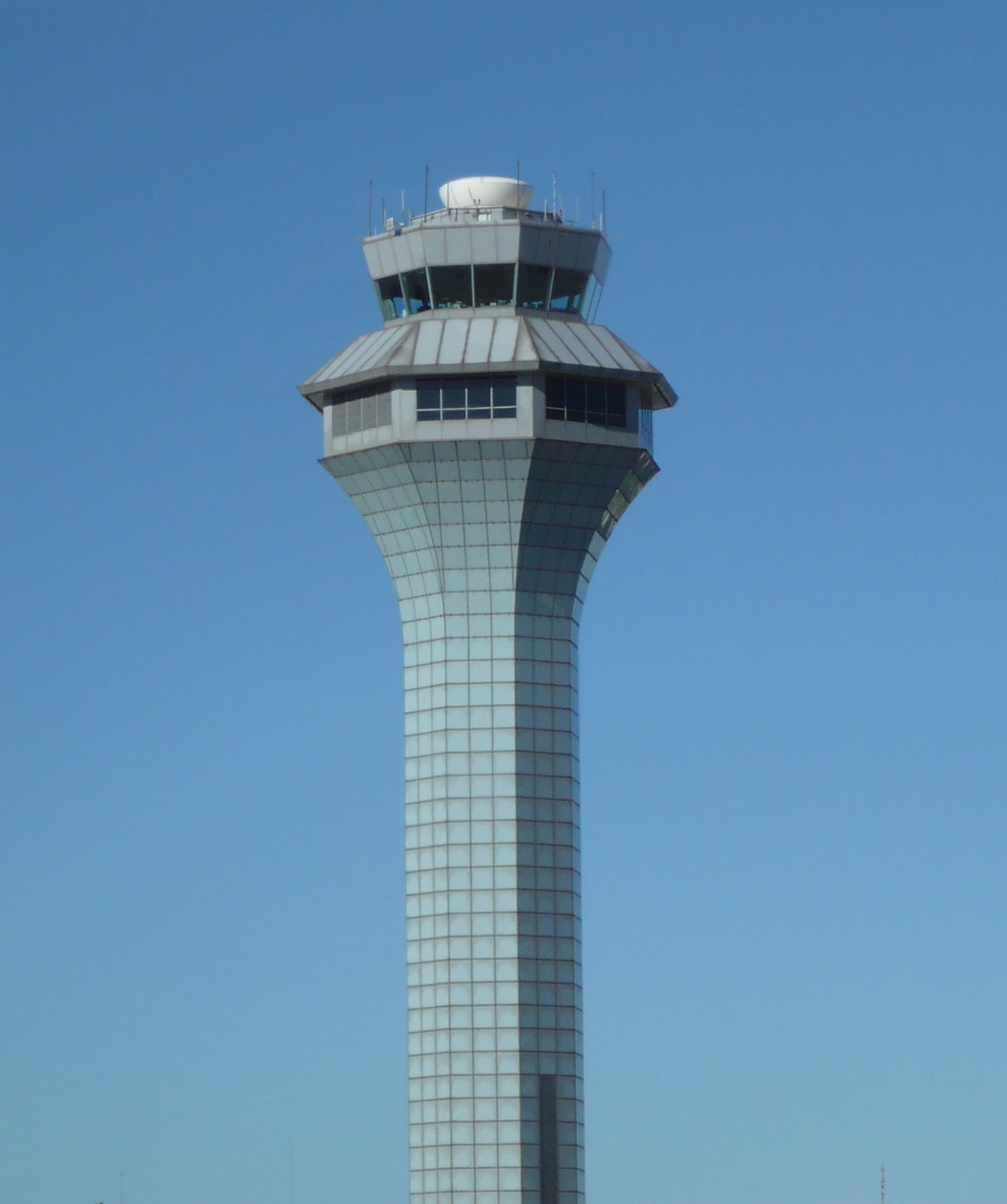
The north control tower at Chicago O'Hare International Airport in August 2007. Archival photograph. Photo: My name / Wikimedia Commons, CC BY-SA 3.0.


Be First to Comment