
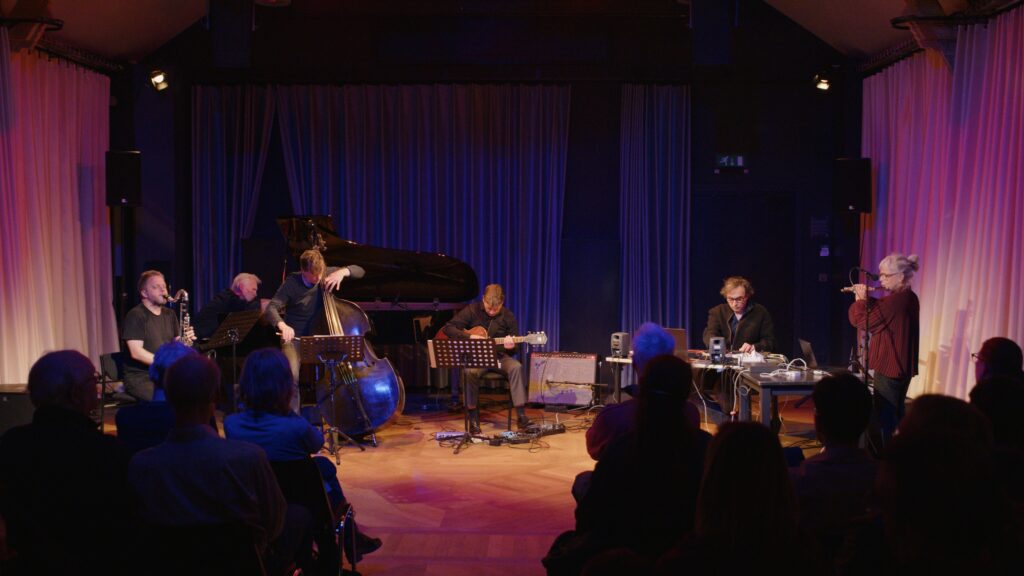
MAZE’s musicians negotiate silence with software, then decide what to carry into the next section.
Posts published in “Features”
Interviews, profiles and in-depth conversations with artists and cultural workers.
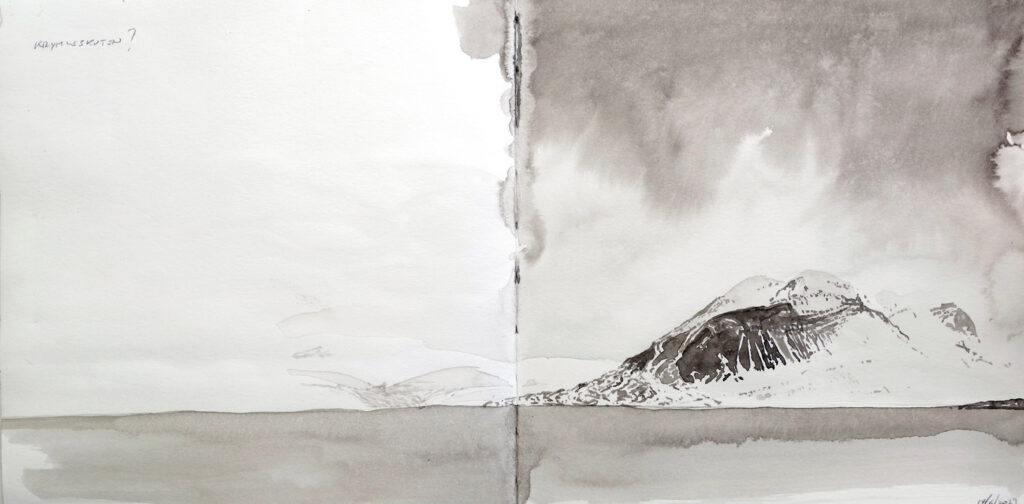
A sketch made aboard an icebreaker becomes an etching in which carefully drawn rocks anchor clouds shaped by looser marks.
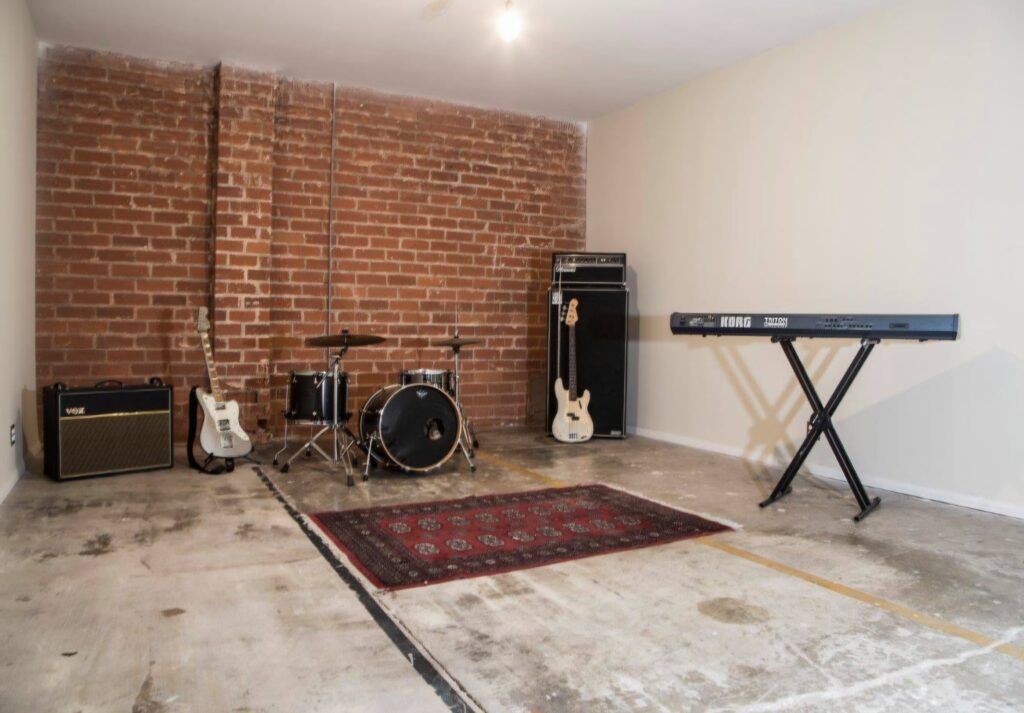
Pete describes private rehearsal rooms, optional shared space and dependable access as parts of giving musicians control over their working time.
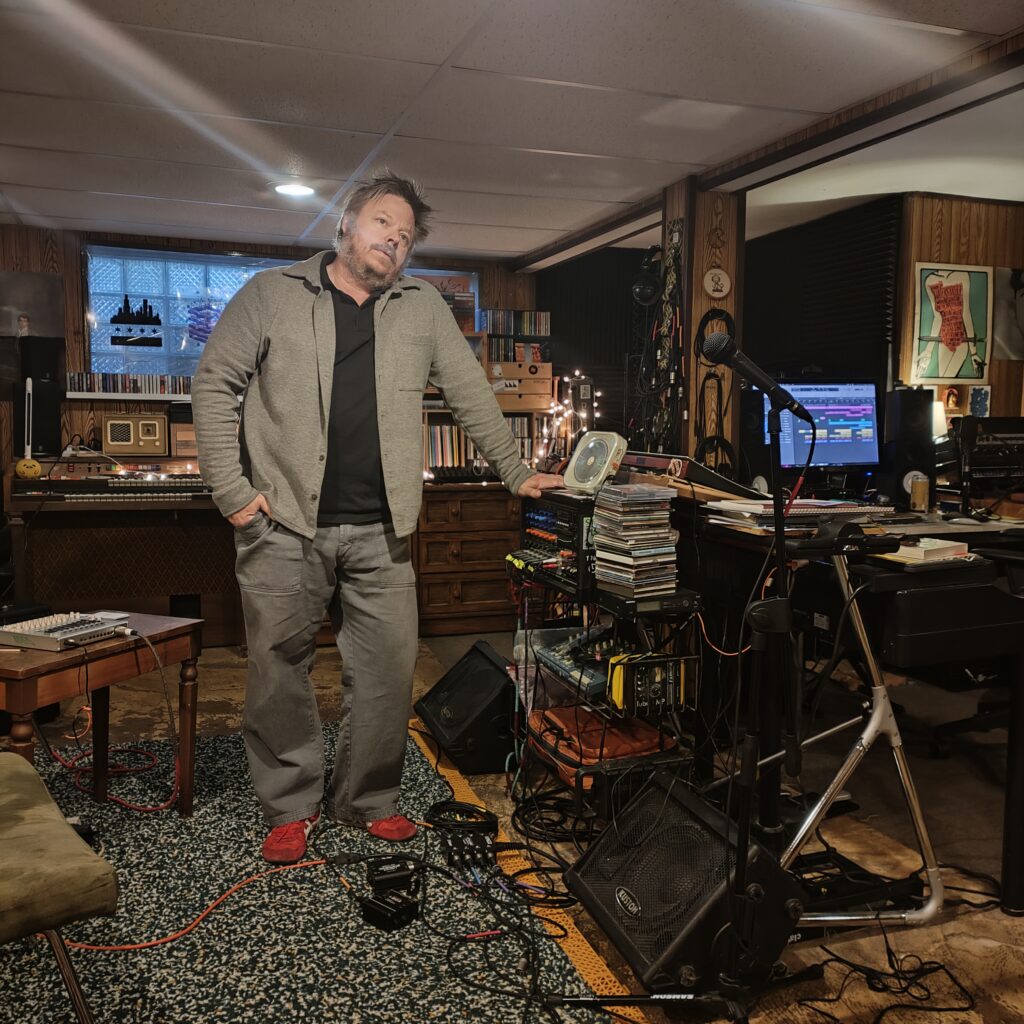
From instruments bought in Japan to a melody rebuilt around a keyboard solo, Wentz describes composition as choosing a starting point without becoming attached to it.
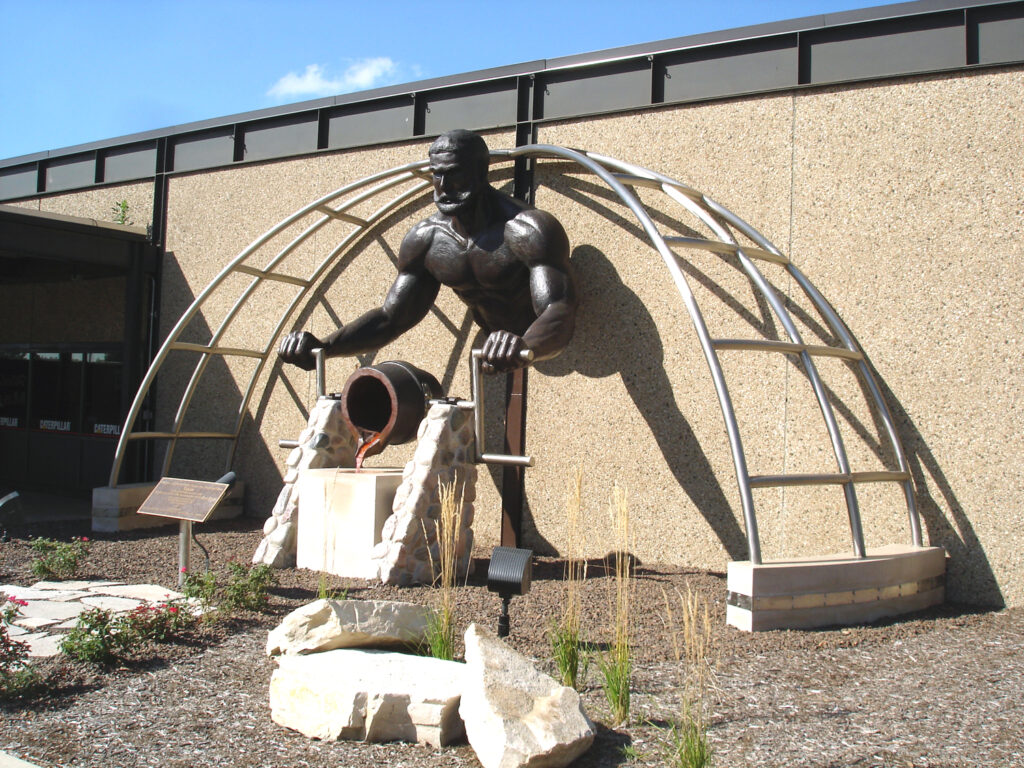
At a foundry, iron carries a connection to the work inside. After installation, weather and people keep testing what the sculpture can do.
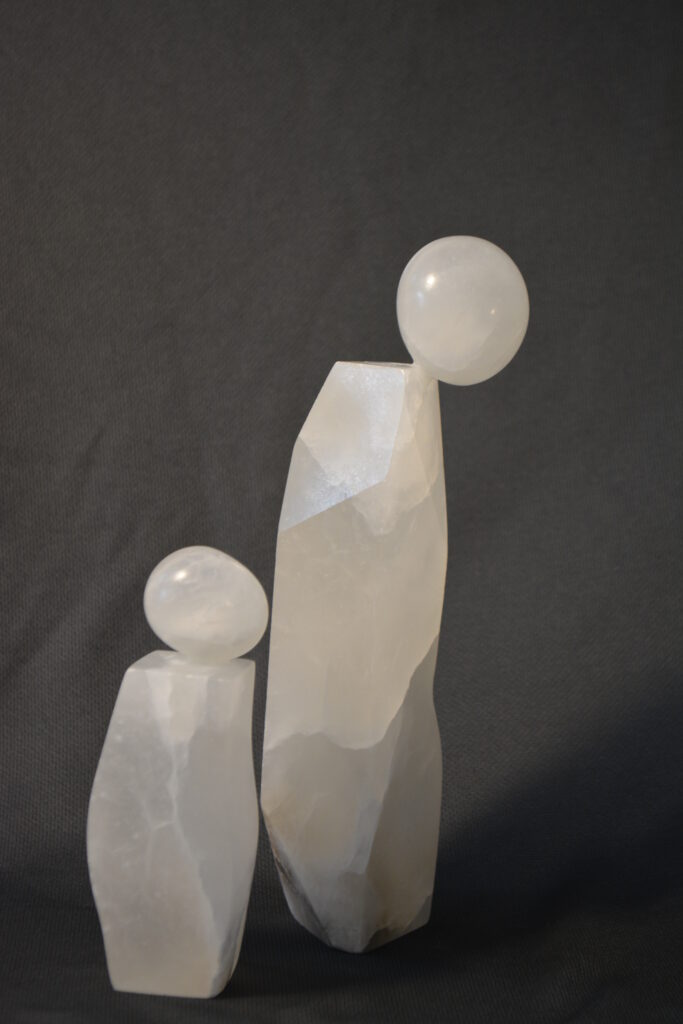
A digital print and an alabaster sculpture give Father and Child different relationships, each worth keeping on its own.
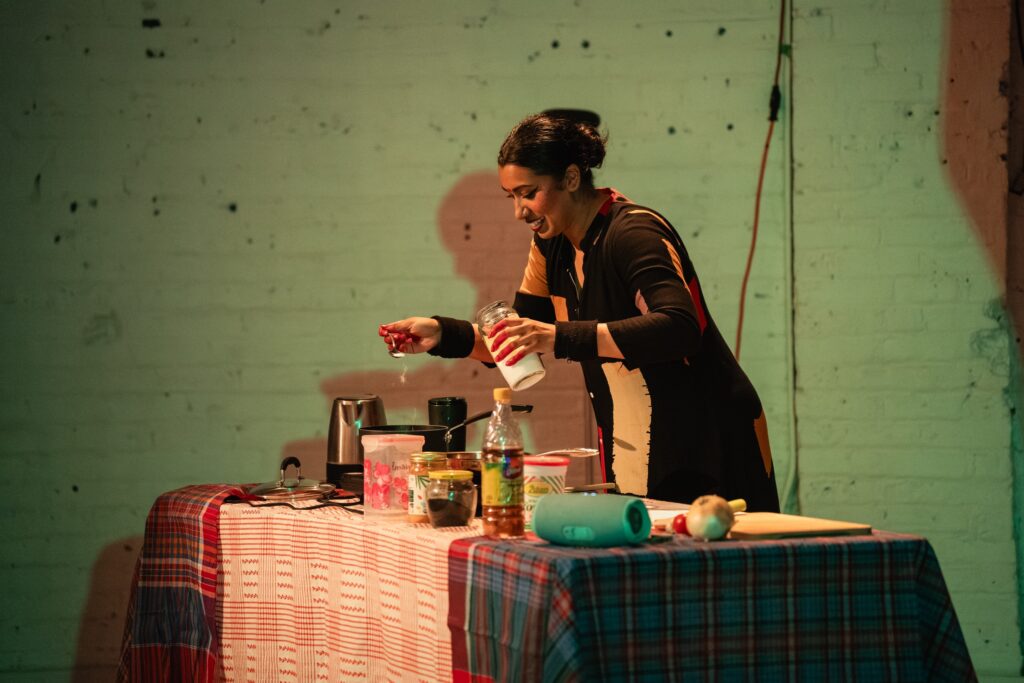
The Chicago composer describes how shared recordings, wrist sensors and a performer’s growing confidence shape his movement-to-sound mappings.
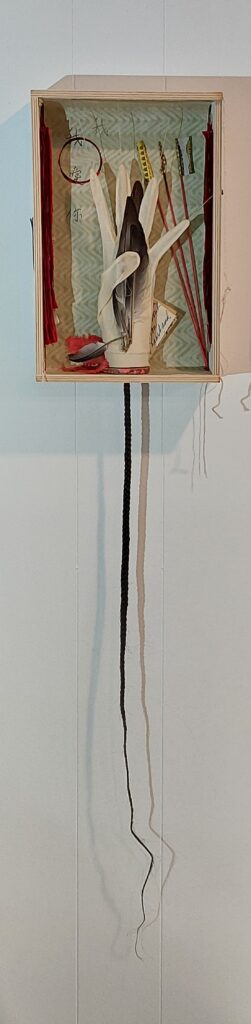
A solitary silk glove was the beginning of Angela McElwain’s “Elegant Rebuttal (wo ai ni).” Its missing partner suggested lost love, and a love letter from a World War II sailor serving in the Pacific became the next material she added.
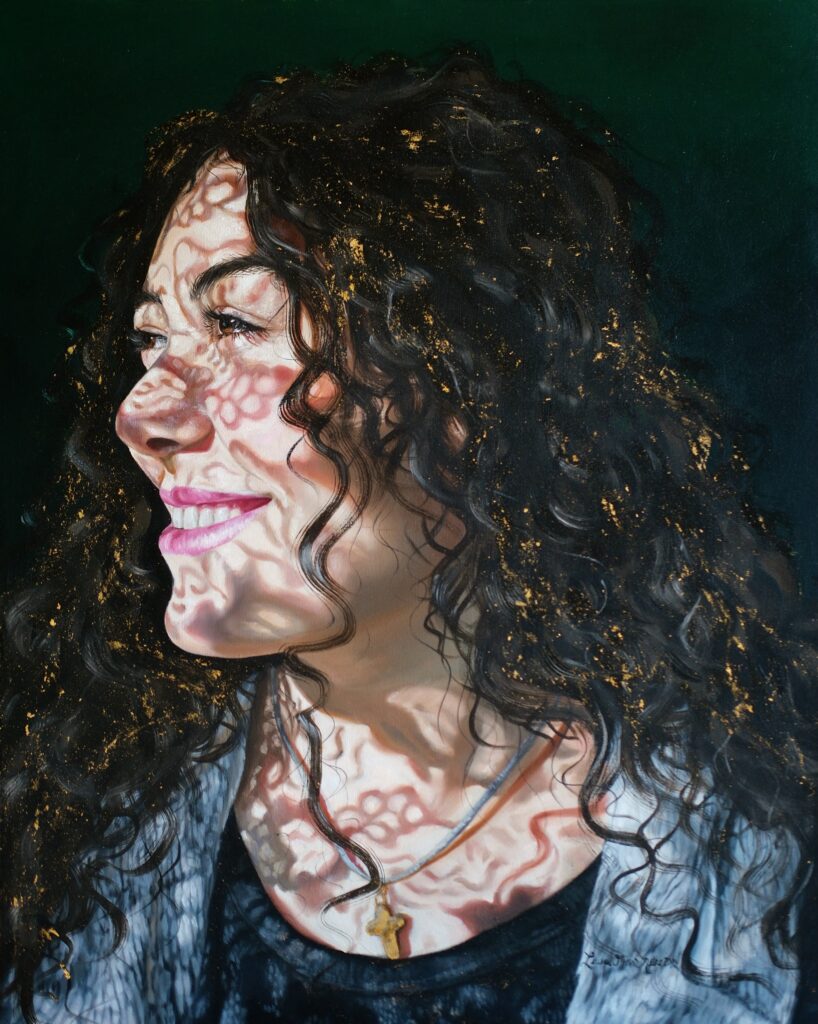
In Heirs & Heiresses, a recorded faith testimony guides the photograph she chooses to paint.
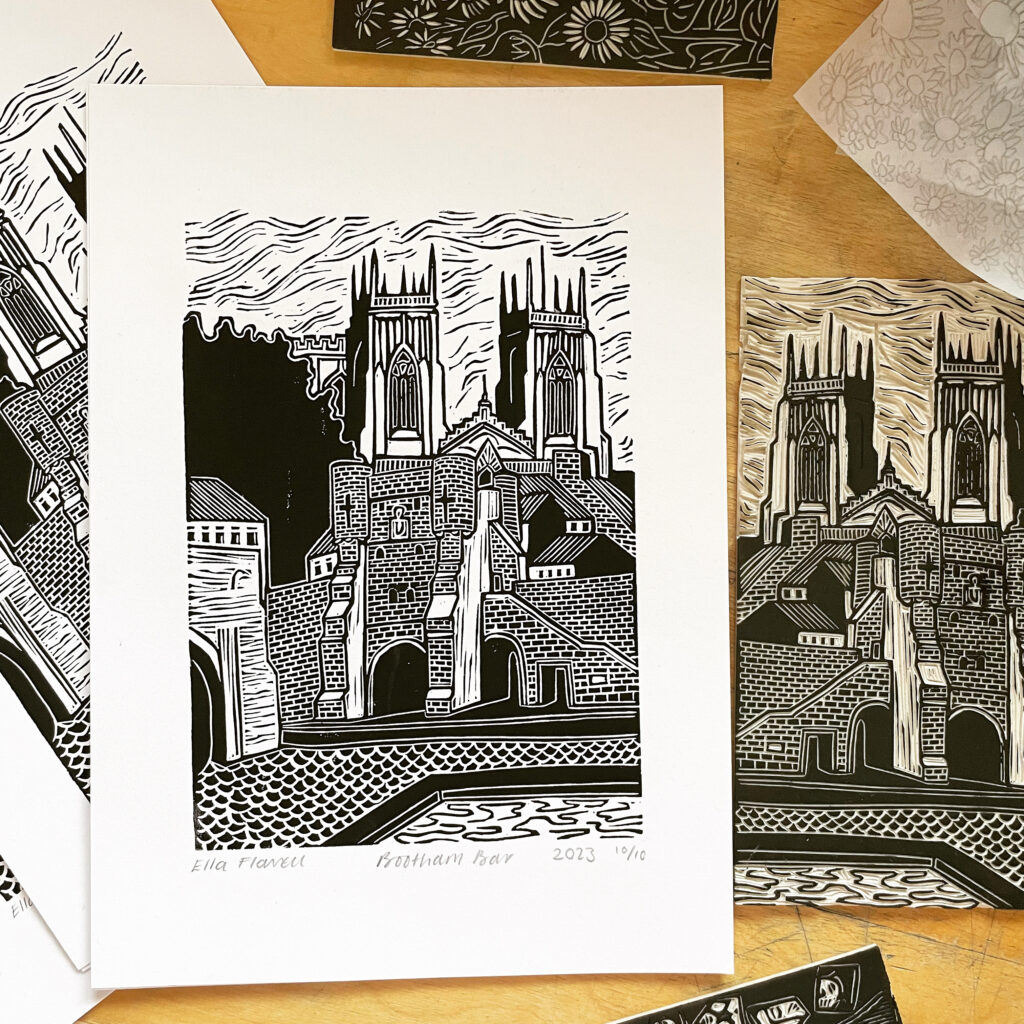
In her linocuts, a church beyond a traffic junction can become more prominent because of the memory it holds.
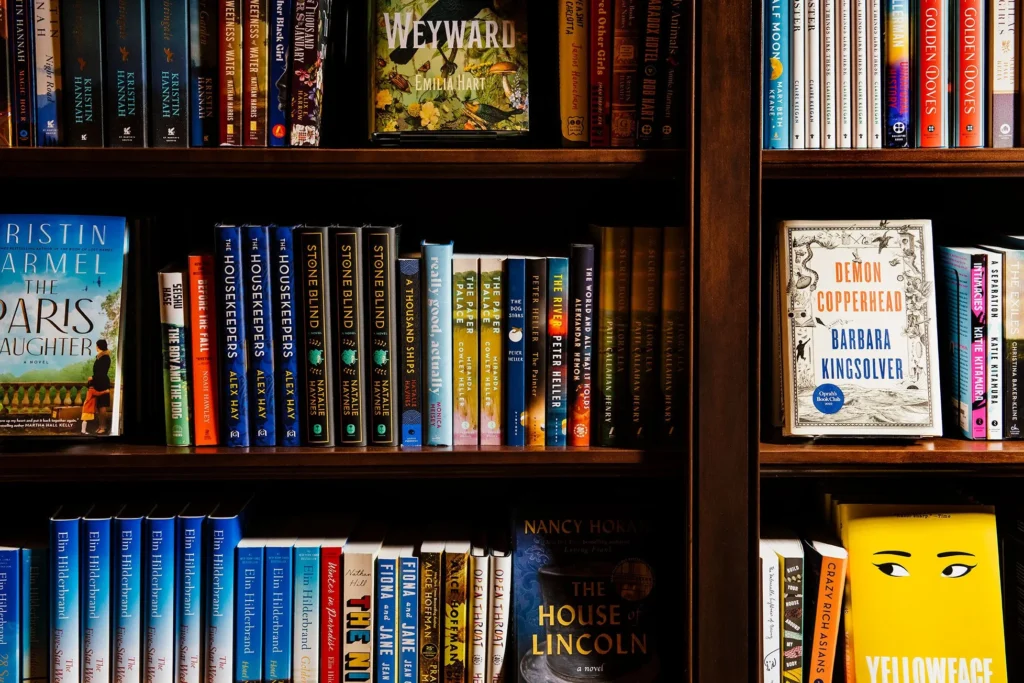
Lani Martin follows readers' plans and preferences from the counter back to the shelves.
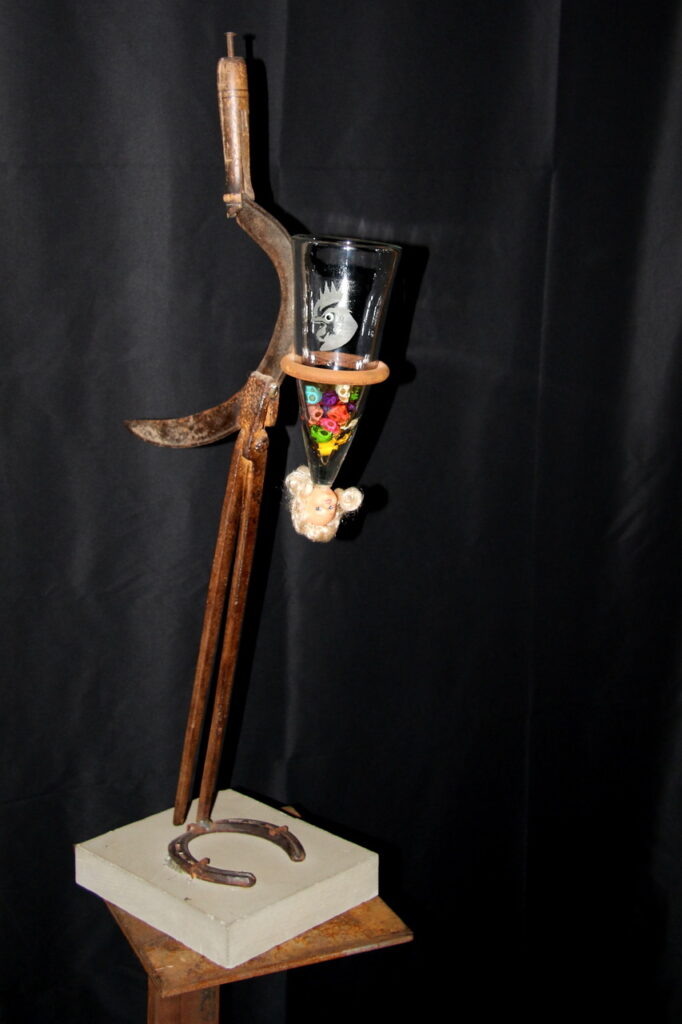
The hand sickle came first. Rich Stewart wanted it to give Cereal Killer a late-1800s Western sense, a starting point for a sculpture in his manifest destiny series that would eventually bring together forge tongs, a horseshoe, glass and an upside-down doll's head.