
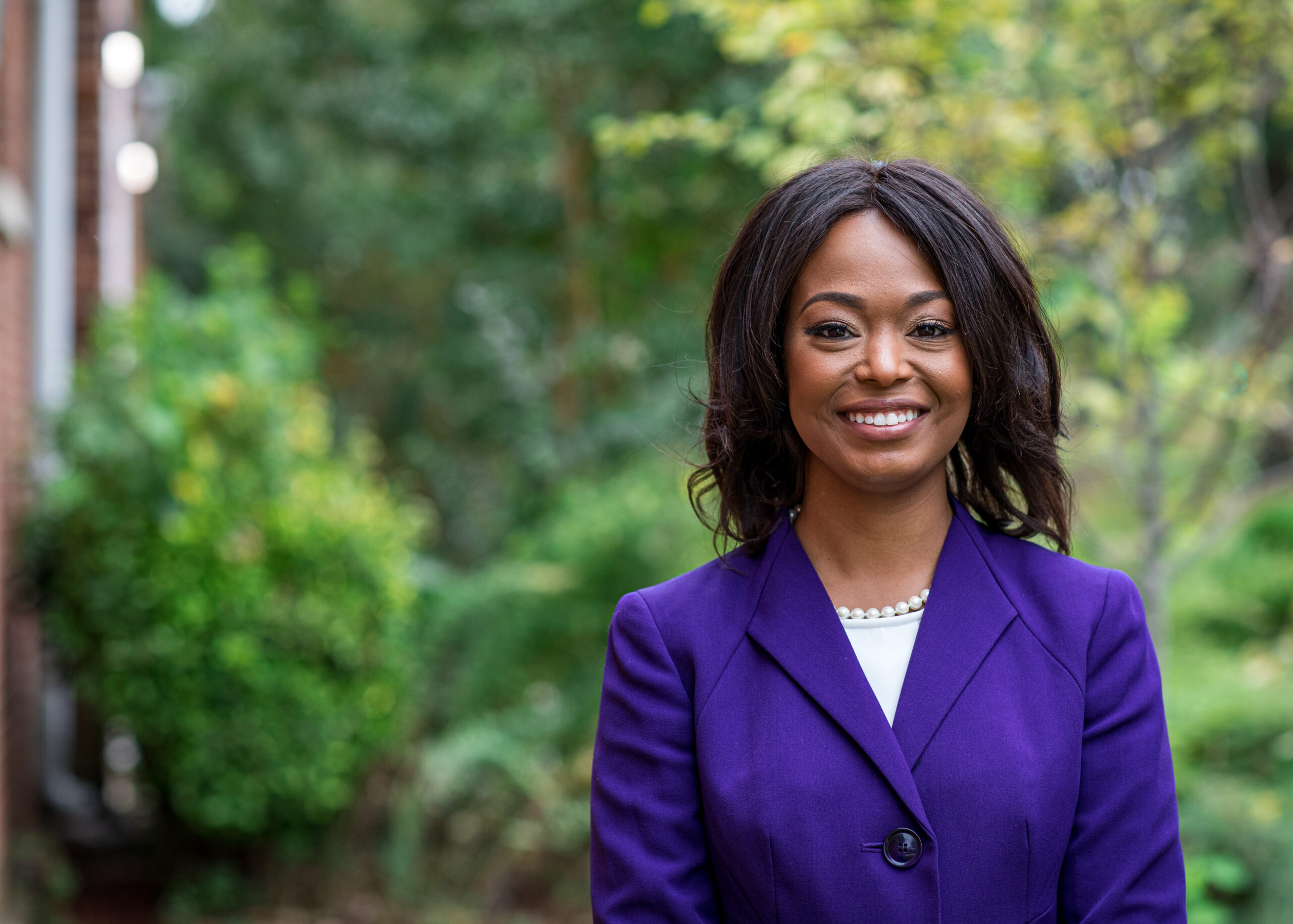
Janeese Lewis George will be Washington, D.C.’s next mayor. The Washington Blade reports that the Associated Press projected the Ward 4 council member as the winner of Tuesday’s election, with official vote counting continuing Wednesday.
AP identifies Lewis George as a democratic socialist. Her campaign’s affordability agenda includes publicly owned housing and proposals aimed at the costs of living and operating cultural spaces in the District.
The housing platform she took into the election calls for Dignified Homes DC, a program to build publicly owned, mixed-income housing with stable, affordable rents. It also proposes changes to zoning and permitting to allow more housing near transit, schools and parks.
For existing tenants, Lewis George promises to strengthen and expand rent stabilization and restore purchasing rights under the Tenant Opportunity to Purchase Act. Her platform describes TOPA as an anti-displacement law.
The platform includes down-payment assistance, foreclosure-prevention aid and support for older homeowners. It also calls for easier access to building inspections, a public-housing ombudsman and stronger penalties for landlords who violate tenants’ rights.
Her Arts & Culture for All platform addresses a related set of costs for artists, venues and cultural organizations. She proposes restoring the Office of Nightlife and Culture and using it to launch an Arts and Nightlife Activation Initiative.
The initiative would bring city agencies together with Events DC, licensing authorities, business districts and cultural organizations. Its stated work includes coordinating permits and licenses, supporting cultural activity and improving neighborhood commercial corridors.
For a theater, music venue or neighborhood festival, those proposals concern the practical steps involved in opening a space or staging an event. The campaign presents them as ways to make cultural work easier and more affordable; the election does not itself establish the office or implement the initiative.
Axios describes rebuilding D.C.’s economy as a central task for the incoming mayor.
The mayor also operates within the District’s unusual relationship with the federal government. AP notes that Congress has legislative authority over D.C. and previously blocked it from spending roughly $1 billion of its own money during a federal budget dispute.
Tuesday’s race included independent Rhonda Hamilton and Statehood Green candidate Robert Gross. It was a mayoral victory in a heavily Democratic city, rather than a Republican-held seat changing parties.
For residents and cultural workers, the next step is whether the incoming administration turns its housing and arts commitments into budgets, staffing and operating rules. Those decisions will determine how the campaign’s affordability promises take shape.


Be First to Comment