
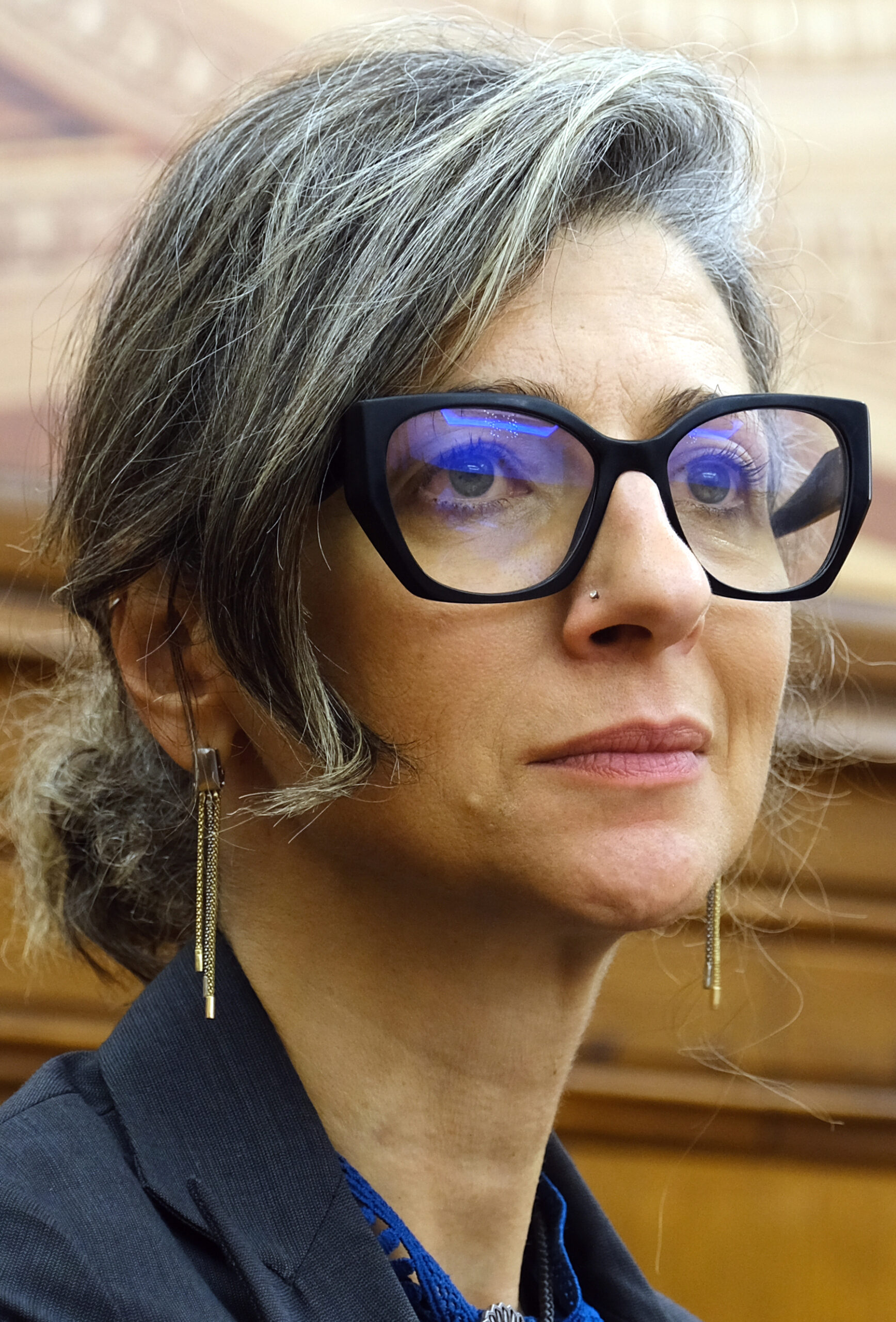
Francesca Albanese accepted a university’s highest honor from an airport instead of its auditorium. By Saturday, November 28, the UN special rapporteur on the occupied Palestinian territory was leaving Costa Rica for Mexico, after a court intervened so she could spend a few hours in a hotel.
La Vanguardia reported her departure toward Mexico, citing a message she posted with a photograph aboard a plane. The report establishes a departure, not a verified arrival in Mexico.
Albanese had arrived at Juan Santamaría International Airport on Thursday, November 26, to receive an honorary doctorate from the University of Costa Rica. Immigration authorities refused her entry, leaving the university to hold Friday’s ceremony while its honoree remained at the terminal.
The university confirmed that the ceremony went ahead November 27 at its Aula Magna. Teresa Rasella, Albanese’s special assistant, received the degree on her behalf, and Albanese delivered her acceptance address over an internet connection from the airport.
The recognition came from a nomination by the university’s School of Psychology, approved by its University Council. The university said it honored her legal and academic work documenting human-rights violations, including research on collective trauma and the effects of violence on vulnerable populations.
That made the practical barrier unusually visible. A university could recognize her research and broadcast her address, but an immigration decision kept her from joining the people who had invited her, and the ceremony continued without its guest.
According to Uno TV’s account of the government’s explanation, immigration director Omer Badilla cited an international alert and alleged links to terrorist acts. Those are the government’s allegations, which Albanese rejects.
In the Spanish text of her acceptance speech published by the university, Albanese called the information linking her to terrorism false. “Defending human rights is not terrorism,” she said, translated from that text.
She described her work as documenting violations of international law and making that record available to people who can demand accountability. Her address also challenged universities to protect the circulation of ideas and resist political pressure over Palestinian rights.
The speech is her account of her work and the refusal of entry. It does not establish the origin or validity of the alert cited by immigration authorities.
Meanwhile, the dispute over her treatment moved through Costa Rica’s Constitutional Chamber. Semanario Universidad reported November 27 that a judge ordered dignified conditions and free communication with her lawyers, consular representatives and UN representatives, along with the immediate return of her passport if it had been retained.
A later urgent measure addressed where she could rest before her departure. Repretel’s account of that order says immigration and police officials were directed to coordinate a transfer to a nearby hotel, with access to legal assistance, food, water and medical care if needed.
The court’s arrangement contemplated her voluntary travel to Mexico on November 28 and a coordinated return to the airport for that flight. It was an interim protection concerning her conditions and travel, not a final judgment resolving the legality of the entry refusal.
Teletica subsequently reported that she was permitted to leave for the hotel before continuing toward Mexico. Her departure ends the immediate airport confrontation- the question of why she was excluded remains separate.
Francesca Albanese in an archival photograph from 2024, not the Costa Rica airport visit. Photo: Rafael Medeiros / Esquerda.net, via Wikimedia Commons, CC BY-SA 2.0. Cropped by Wikimedia contributors; the image remains under the same license.


Be First to Comment