
Democrat Adam Hamilton defeated Republican U.S. Sen. Roger Marshall in Kansas on Tuesday, according to an Associated Press race call issued at 10:25 p.m. Central time.
Kansas last elected a Democratic U.S. senator in 1932, Axios reported.
At Hamilton’s watch party in Overland Park, supporters chanted his name when AP called the race, Kansas Reflector reported. Its late-night account described Hamilton winning the state’s populous Kansas City and Wichita-area counties while Marshall led in rural areas, with totals still unofficial.
Marshall, a former obstetrician seeking a second Senate term, campaigned with support from President Donald Trump and Vice President JD Vance. The Reflector reported that both made repeated visits to Kansas during the campaign.
Hamilton built his campaign around a practical set of costs: groceries, energy and health care. His campaign’s presentation emphasized working across party lines, describing a congregation with Republicans, Democrats and independents.
He is the founding pastor of Church of the Resurrection in the Kansas City area. His campaign biography says he and his wife, LaVon, began the church in 1990 with four people meeting in borrowed space.
His health-care argument was tied to what happens when a community loses its hospital. In an October candidate questionnaire published by the Johnson County Post, Hamilton promised to reverse federal Medicaid cuts.
“Yes. I’d vote to reverse the Medicaid cuts in last year’s budget law,” he wrote.
He linked those cuts to pressure on rural emergency rooms and local employment, arguing that a hospital closure can unsettle the wider town. He also called for restoring insurance tax credits and improving reimbursement for care that lets seniors remain at home.
His affordability agenda adds proposals to expand Medicare drug-price negotiations and extend negotiated prices to private insurance. It also calls for curbing medical-debt interest, limiting wage garnishment and keeping that debt off credit reports.
Hamilton’s tariff position would give Congress a direct decision over new import taxes, requiring congressional approval and advance disclosure of their cost to families. His argument links trade policy to the prices paid by farmers and consumers.
On housing, he proposes restricting investor purchases of single-family homes and addressing landlord price collusion. Those commitments put corporate pricing and ownership alongside household income in his account of the affordability problem.
That agenda also reaches the workplace. His campaign backs faster first-contract bargaining for newly organized workers, stronger wage-theft enforcement and funding for federal labor and safety agencies.
The election moves those commitments into a new setting, where Hamilton will have votes to cast. Reversing health-care cuts and strengthening workers’ bargaining power are specific promises Kansans can use to judge what he does with the seat.
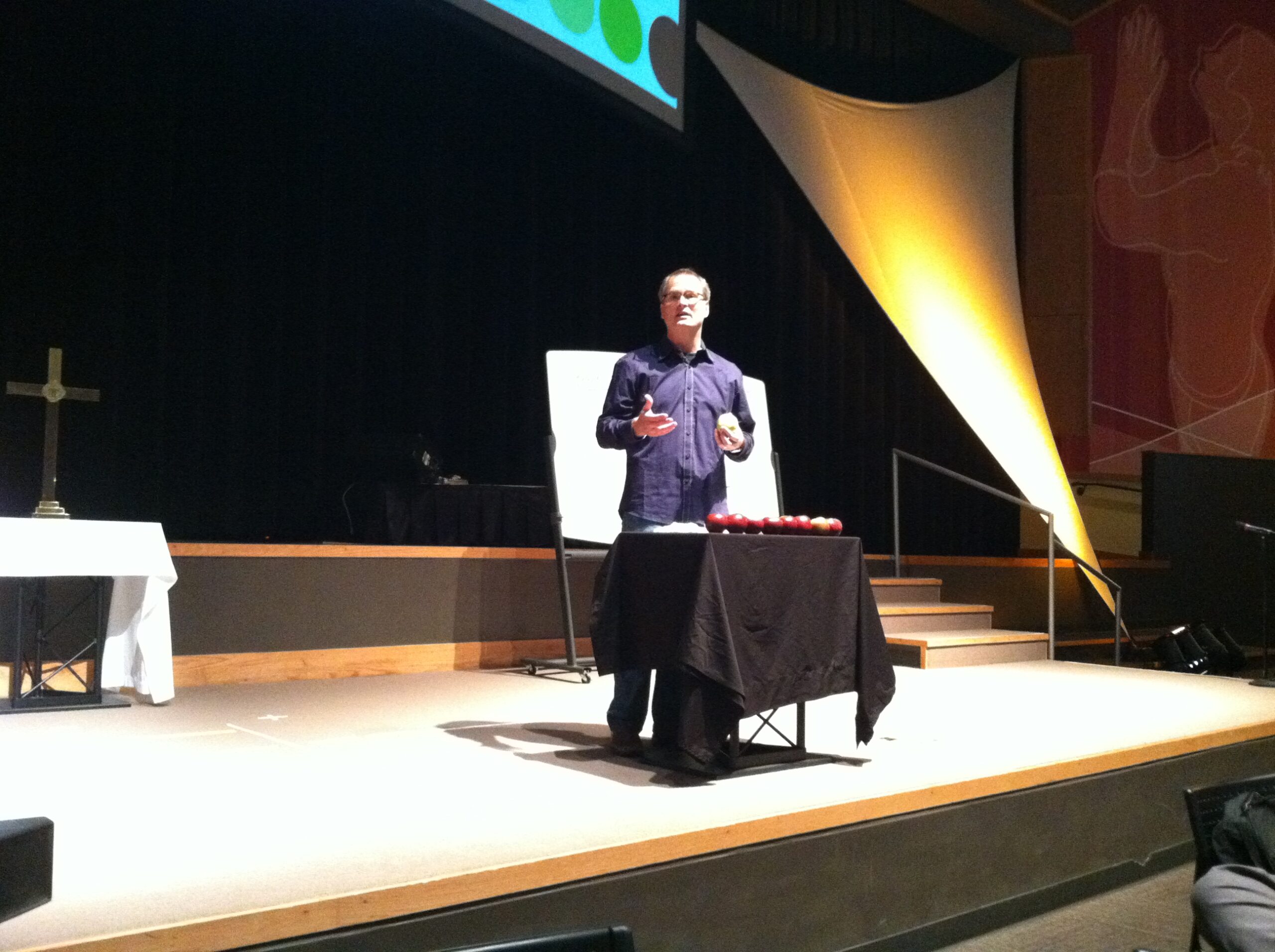
Adam Hamilton speaks at the Church of the Resurrection Leadership Institute on September 28, 2011. Archival photo: Wikigear / Wikimedia Commons, CC BY-SA 3.0. Original framing; resized for display.
Election-night result reporting checked at 10:57 p.m. Central on November 3, 2026. The AP race call is separate from certification of final vote totals.


Be First to Comment