
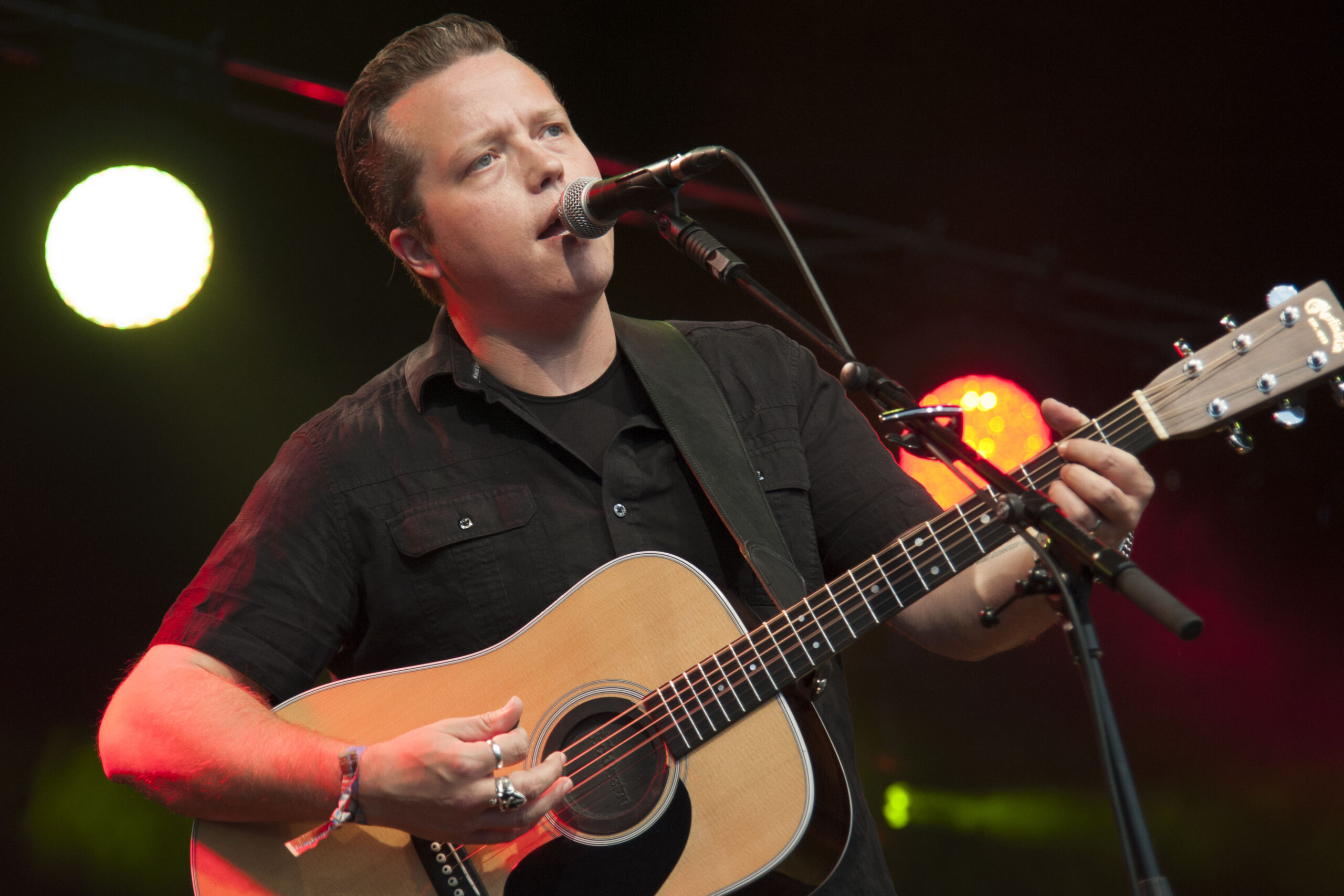
Suno asked a federal judge on November 3 to dismiss the lawsuit brought by Jason Isbell, David Lowery, Guy Forsyth and Eduardo Calle over the music generator’s alleged use of musicians’ identities. The filing is a request for dismissal, rather than a ruling in the company’s favor.
The musicians’ complaint, filed August 31 in Massachusetts, argues that Suno built a commercial platform capable of retrieving and reproducing identifying musical attributes when users enter artists’ names. They say that capability appropriates the value of their identities without consent.
The complaint does not depend on proving that an output reproduces a specific recording. Instead, it describes name-based prompts that allegedly generate songs, descriptions and images evoking the named performers, and says paid subscriptions allow users to commercially exploit generated tracks.
In its three-page dismissal motion, Suno gives three grounds: the publicity claims do not adequately allege required elements, federal copyright law preempts those claims, and the named musicians lack standing to pursue certain claims belonging only to absent members of the proposed class.
The company’s supporting memorandum frames artist names as shorthand for musical genres and styles. Suno argues that using those names to communicate stylistic ideas is different from commercially appropriating an individual’s identity, and that the First Amendment protects the practice.
Suno also says its system blocks artist-name prompts or replaces the names with descriptions of musical characteristics before they reach the music-generation model. Those are the company’s account of its technology and its response to the allegations, rather than findings established by the court.
The memorandum separately challenges the plaintiffs’ ability to bring an Illinois Biometric Information Privacy Act claim for a proposed subclass. Suno argues that the named musicians have not alleged personal facts establishing that claim and cannot rely only on possible injuries to other people.
Suno requested oral argument, and its filing states that the musicians oppose dismissal. The next question is whether the court accepts those arguments; the November 3 motion itself does not resolve whether the musicians’ claims can proceed.


Be First to Comment