
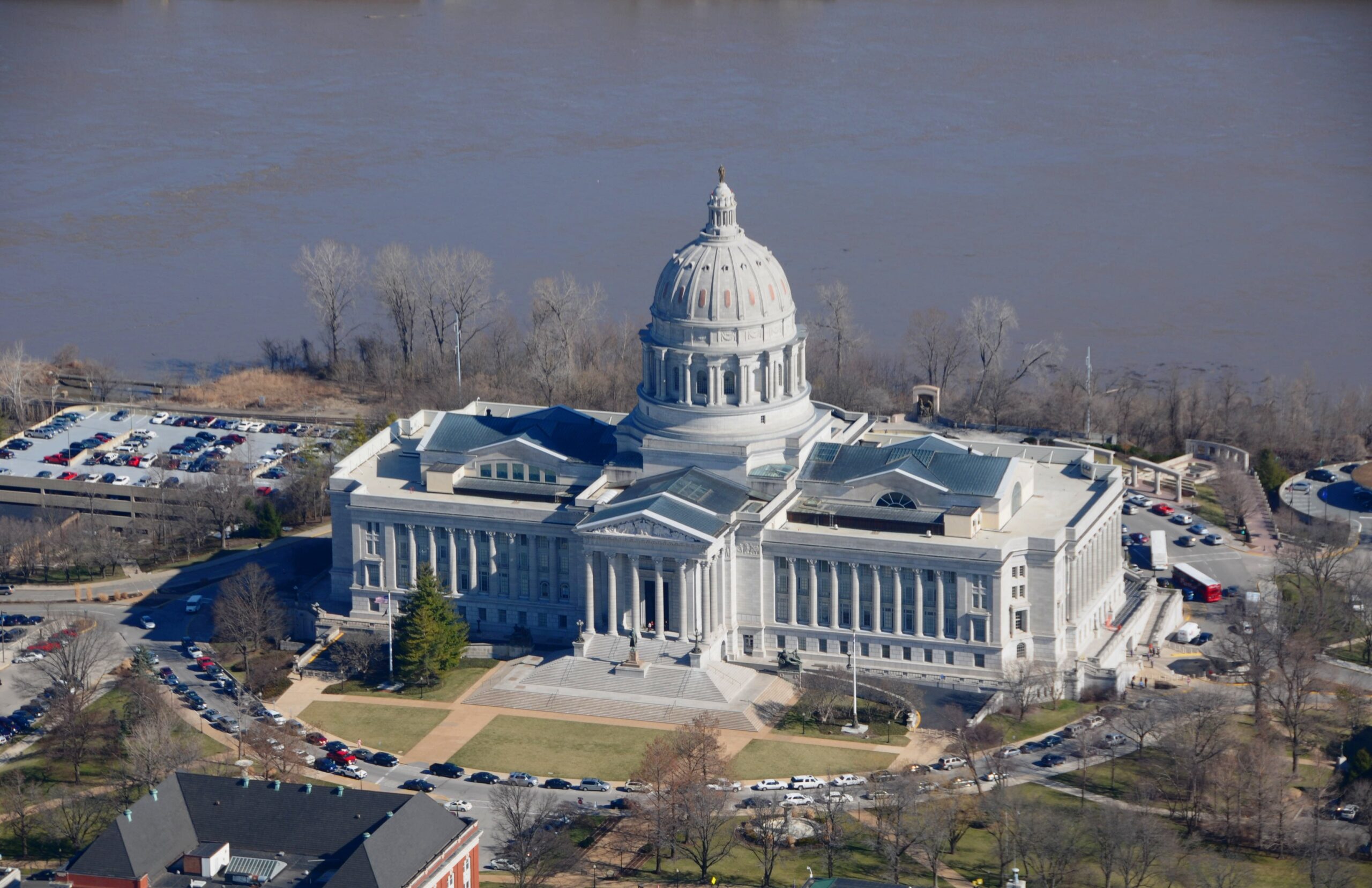
Missouri voters rejected Amendment 3 on Tuesday, preserving the reproductive-freedom protections they approved two years ago and preventing new restrictions on abortion and transgender health care from entering the state constitution.
St. Louis Public Radio reported that the Associated Press called the measure’s defeat with more than 55% voting no. Those election-night figures are unofficial, rather than a certified final margin.
The 2026 ballot question proposed repealing the earlier reproductive-rights amendment and allowing abortions only under specified exceptions. It included rape and incest exceptions before 12 weeks of pregnancy, medical emergencies and fatal fetal anomalies, alongside provisions allowing abortion regulation and requiring parental consent for minors.
The repeated amendment number could obscure what voters were deciding. In 2024, a yes vote established constitutional protections for reproductive health care; in 2026, a no vote kept those protections in place.
As The Beacon explains, the existing amendment protects abortion before fetal viability and permits regulation afterward, while preserving exceptions when a health care provider determines an abortion is needed to protect the patient’s life or physical or mental health.
The rejected proposal also sought to prohibit gender-transition procedures for minors in the constitution. Its official description included surgeries, puberty blockers and hormone treatment, with exceptions for specified medical conditions.
Its defeat does not repeal Missouri’s existing statutory restrictions on that care. Public radio reports that the state’s ban on gender-transition surgeries for minors is permanent in statute, while restrictions on puberty blockers and hormone therapy are scheduled to expire in August 2027.
The constitutional result also leaves a separate question of practical access. The Beacon reported that both medication and procedural abortions were available at Planned Parenthood locations in Kansas City, Gladstone, Columbia, St. Louis and Springfield heading into the vote.
For transgender young people, the distinction between a constitutional ban and the current law remains consequential: Tuesday’s result leaves the scheduled 2027 expiration of some restrictions in place, rather than removing those restrictions immediately.


Be First to Comment